Technology
"Our mission is to provide customers with a professionally constructed farm fencing."– Hebei Jinshi Industrial Metal Co, Ltd.
Ground Anchors: The Unsung Heroes of Stability
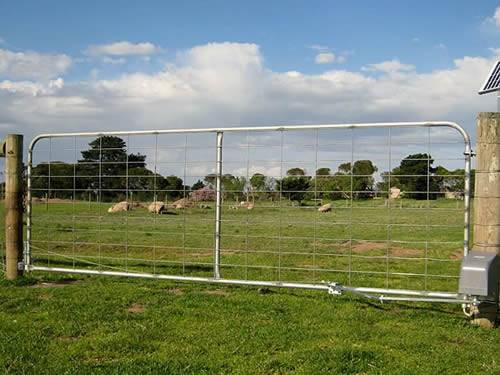
In the realm of outdoor structures and security, few components work as tirelessly behind the scenes as ground anchors. These unassuming hardware devices play a pivotal role in ensuring stability, safety, and longevity for a wide range of installations. Whether you're securing a garden gate, reinforcing a fence, or anchoring equipment, understanding the versatility and functionality of grground anchors is essential.
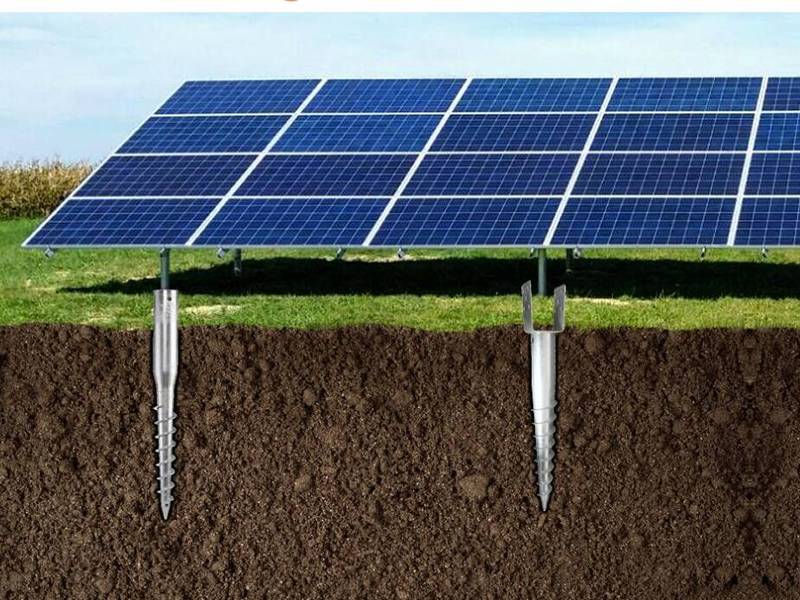
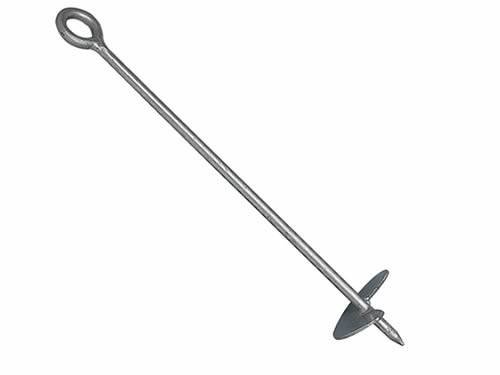
Ground anchors, also known as earth anchors, are designed to transfer loads from structures to the ground, preventing movement caused by wind, vibration, or external forces. Made from durable materials like galvanized steel, they come in various shapes and sizes to suit different soil types and applications. From spiral anchors that twist into the earth to plate anchors that distribute weight over a larger area, each type serves a specific purpose in maintaining structural integrity.
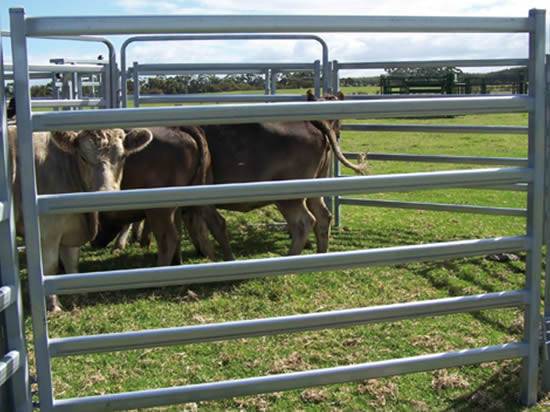
One of the primary advantages of using ground anchors is their adaptability. They are indispensable for securing temporary structures such as tents and event canopies, ensuring they withstand sudden gusts of wind. In permanent installations, like garden gates and fences, ground anchors provide the necessary stability to resist repeated use and environmental stress. They also find applications in agriculture, where they secure livestock enclosures, and in construction, where they stabilize scaffolding and temporary barriers.
Choosing the right ground anchor depends on several factors, including soil composition, the weight of the structure, and the expected load. For soft or sandy soil, longer anchors with a larger surface area are ideal, as they can grip more effectively. In rocky or compacted soil, screw-in anchors with sharp threads may be more suitable, allowing for easier installation without the need for extensive digging.
Installation of ground anchors is a straightforward process that can be completed with basic tools. For spiral anchors, simply twist them into the ground using a wrench or power drill until they are flush with the surface. Plate anchors require a hole to be dug, the anchor to be placed, and the soil to be compacted around it to ensure a secure fit. Regardless of the type, ensuring the anchor is properly embedded is crucial for maximizing its holding capacity.
Regular maintenance is key to ensuring the longevity of ground anchors. Inspecting them periodically for signs of corrosion, especially in humid or coastal environments, can prevent failure. Applying a protective coating or replacing rusted anchors promptly will help maintain their effectiveness over time.
In conclusion, ground anchors are essential components in various outdoor and construction projects, providing the stability needed to withstand external forces. By choosing the right type for the application, installing them correctly, and maintaining them regularly, you can ensure the safety and durability of your structures. Whether for a garden gate, a fence, or temporary equipment, ground anchors are the unsung heroes that keep things securely in place.